SERVICES
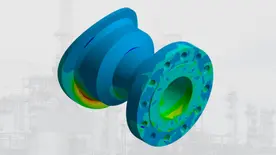
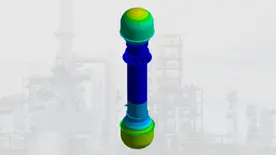
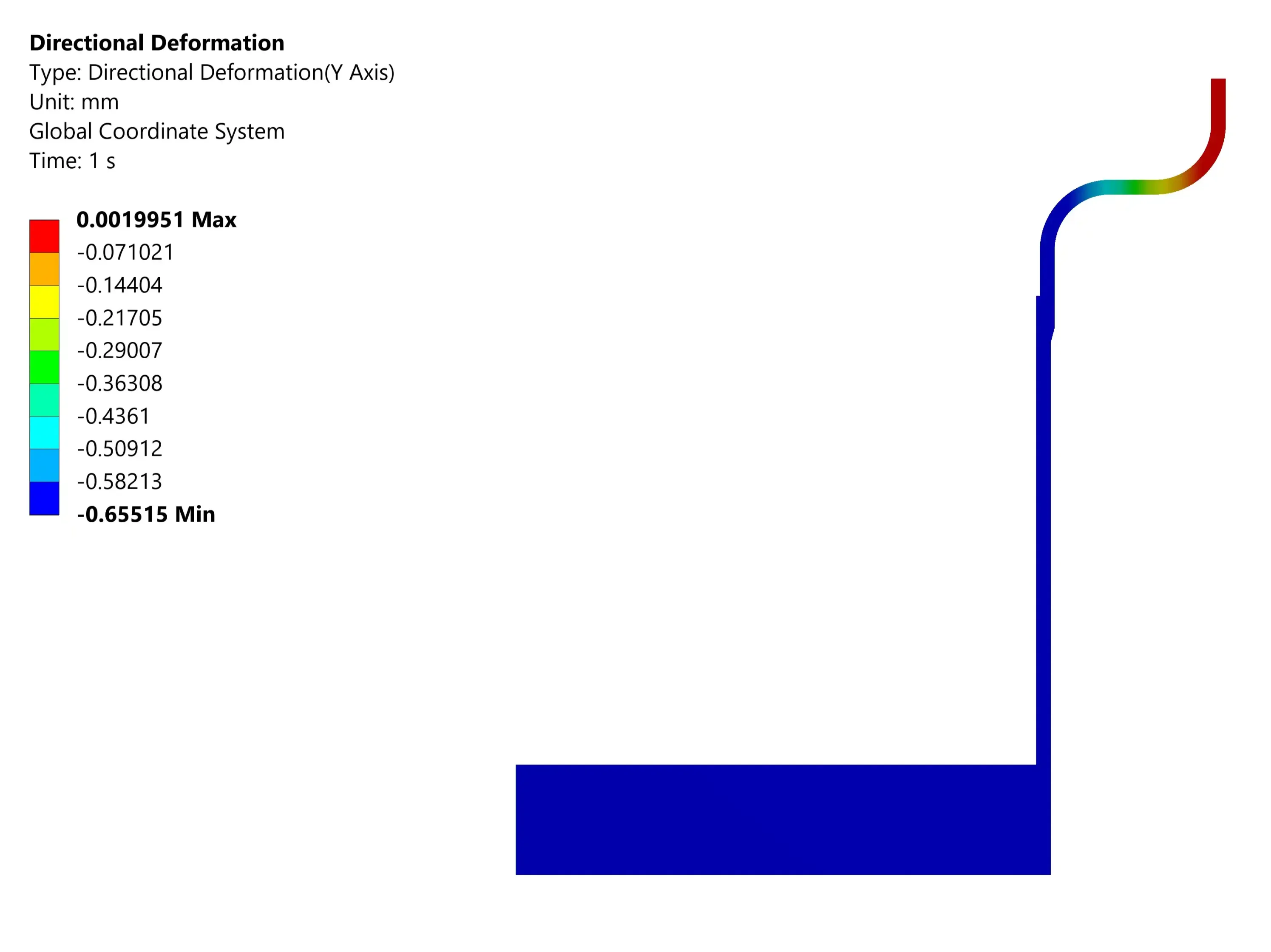
- TEMA RCB-8: This section of the TEMA (Tubular Exchanger Manufacturers Association) standards provides guidelines for constructing and designing thick expansion joints used in shell and tube heat exchangers. It addresses material selection, geometry limitations, permissible stresses, and manufacturing tolerances to ensure long-term performance under cyclic thermal loads.
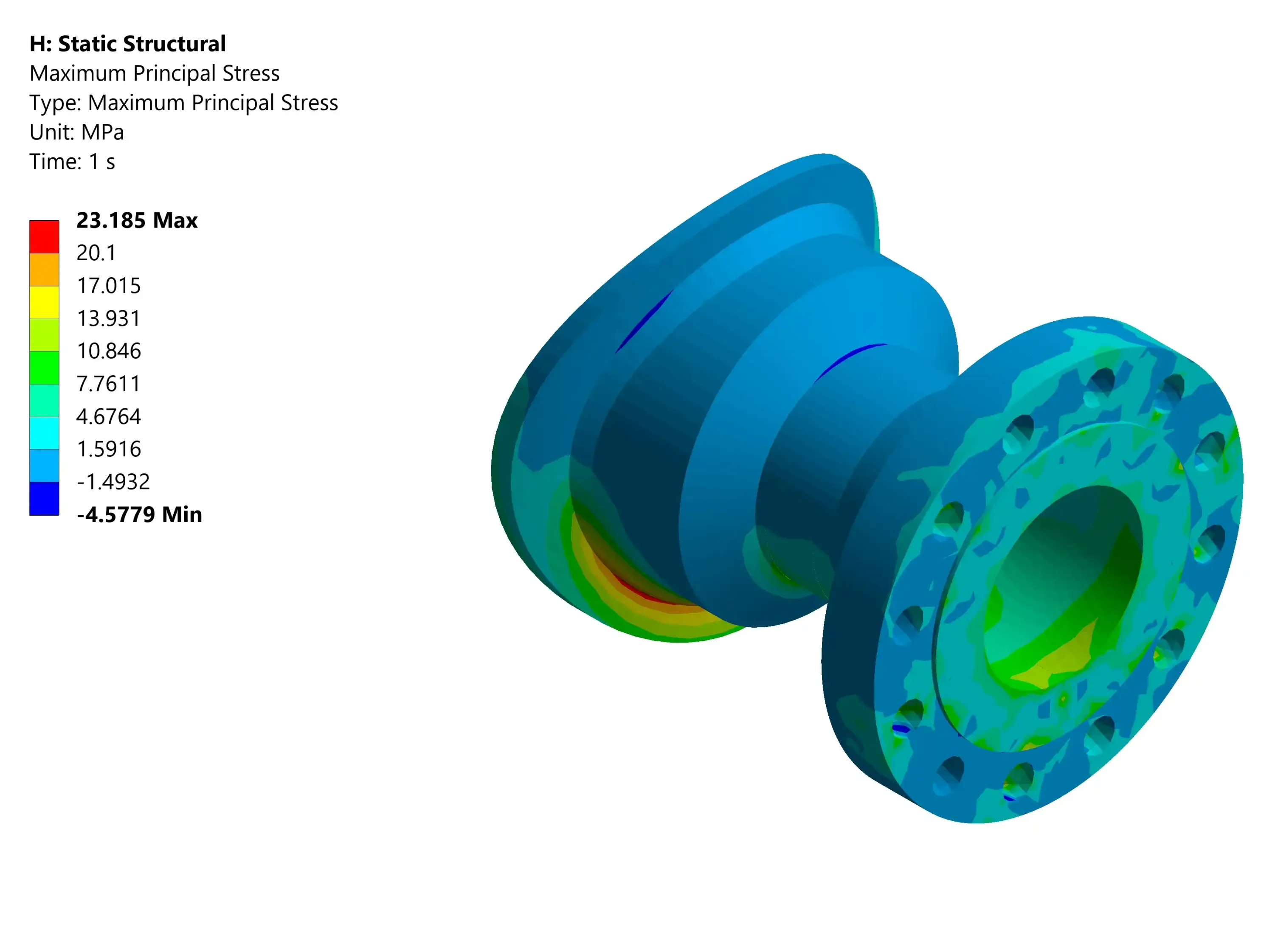
- ASME Section VIII Division 1 & 2: ASME provides rules for pressure design, analysis, and testing of bellows, including:
- Stress analysis under internal and external pressure
- Fatigue life evaluation due to thermal cycling
- Design rules for reinforcement if required
- Welding, inspection, and hydrostatic testing requirements
- Our designs consider:
- Axial, lateral, and angular movements.
- Thermal expansion compensation.
- Material creep and fatigue characteristics
- Integration with fixed tubesheets or floating head exchangers
- With advanced FEA tools and in-depth knowledge of the applicable codes, we deliver reliable and code-compliant thick expansion bellow designs tailored to your application.
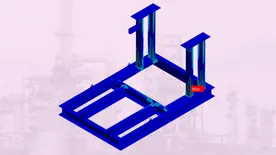
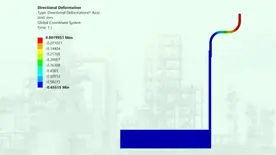
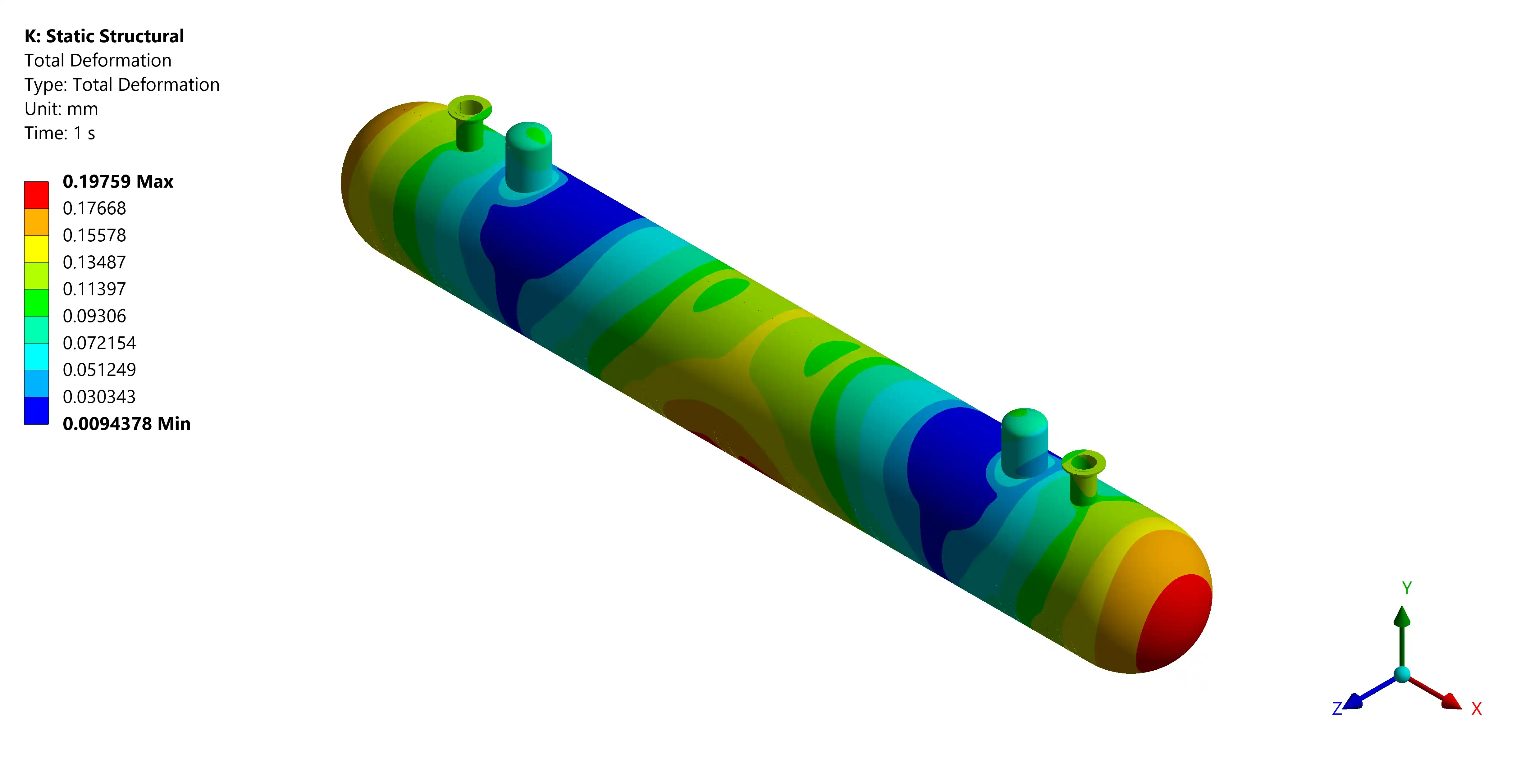
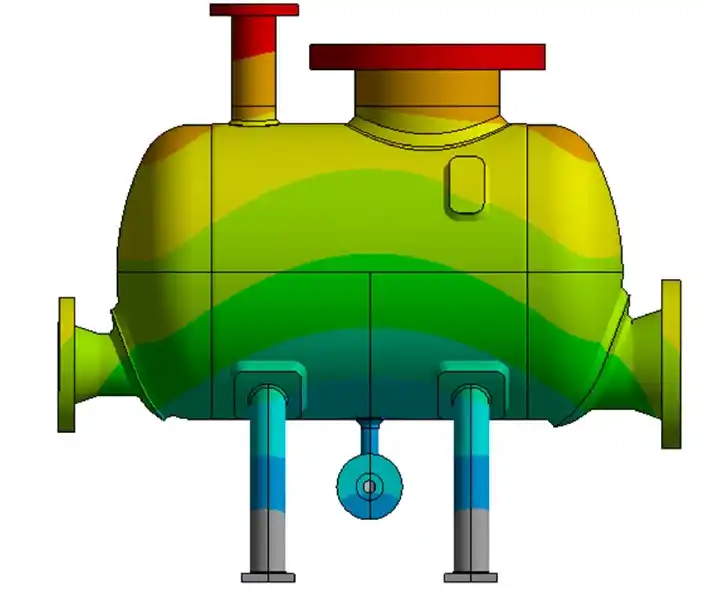
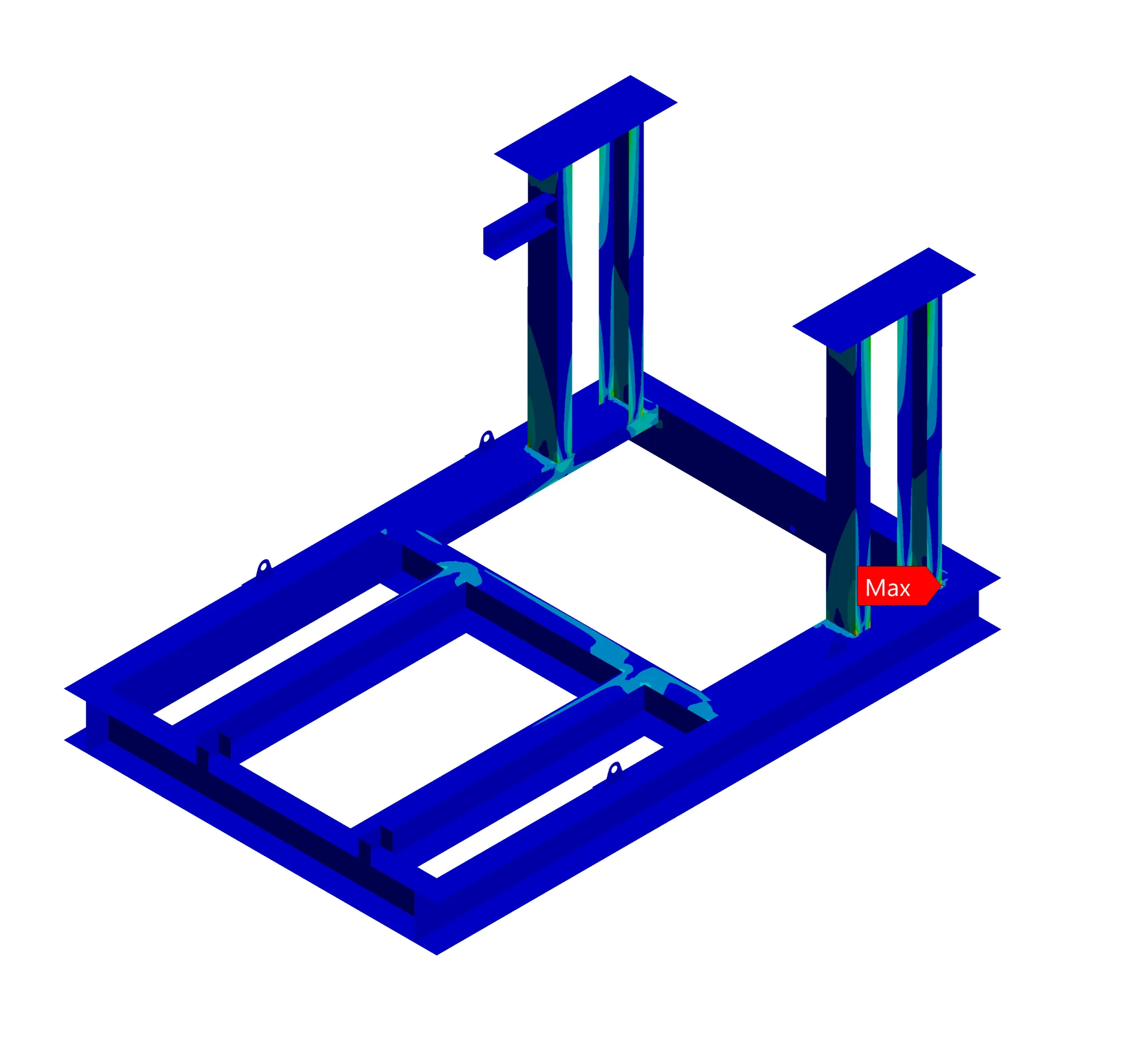
- Ensuring the structural integrity and optimal performance of equipment is critical in any industrial or manufacturing setup. Our team of seasoned experts delivers comprehensive structural analysis solutions designed to evaluate the effects of external forces on static structures and recommend strategies to mitigate potential failure risks.With deep expertise in handling complex engineering challenges, we specialize in:
- Linear Stress Analysis
- Nonlinear Stress analysis
- Handling & Lifting Analysis
- Structural Stress Evaluation
- Our detailed, actionable reports help clients enhance safety, reliability, and operational efficiency across their systems and tools.
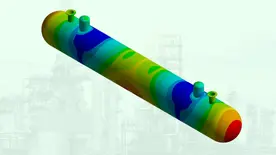
- We provide specialized Finite Element Analysis (FEA) services for mounded bullets, aligning with ASME, PD 5500, and EEMUA standards to ensure both safety and compliance. With a focus on delivering long-term value and engineering excellence, our team performs detailed simulations based on product specifications and applicable code requirements.
- Internal design pressure
- Dead weight of empty and fully loaded vessels
- External pressure from mound coverage
- Load variations from uneven or differential support
- Live loads and operational stresses
- Settlement analysis (ends to midpoints and vice versa)
- Seismic (earthquake) loads
- Our detailed, actionable reports help clients enhance safety, reliability, and operational efficiency across their systems and tools.
- We specialize in creep analysis of in-service equipment as per API 579-1/ASME FFS-1 standards, enabling assessment of long-term damage in components operating under sustained high temperatures without interrupting operations.
- Advanced Evaluation Backed by Experience
- With deep industry experience and a portfolio of large-scale projects, our team identifies critical zones susceptible to future creep damage. By leveraging historical operating data and advanced software platforms, we simulate real-world conditions to predict material behavior and long-term degradation.
- Our Methodology Includes:
- Precise simulation of high-temperature stress and exposure
- Use of Omega creep models and material softening techniques for greater accuracy
- Identification of damage-prone areas before failures occur
- Assessment of remaining life and future performance risks
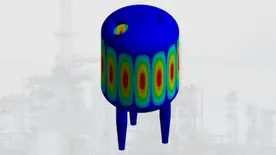
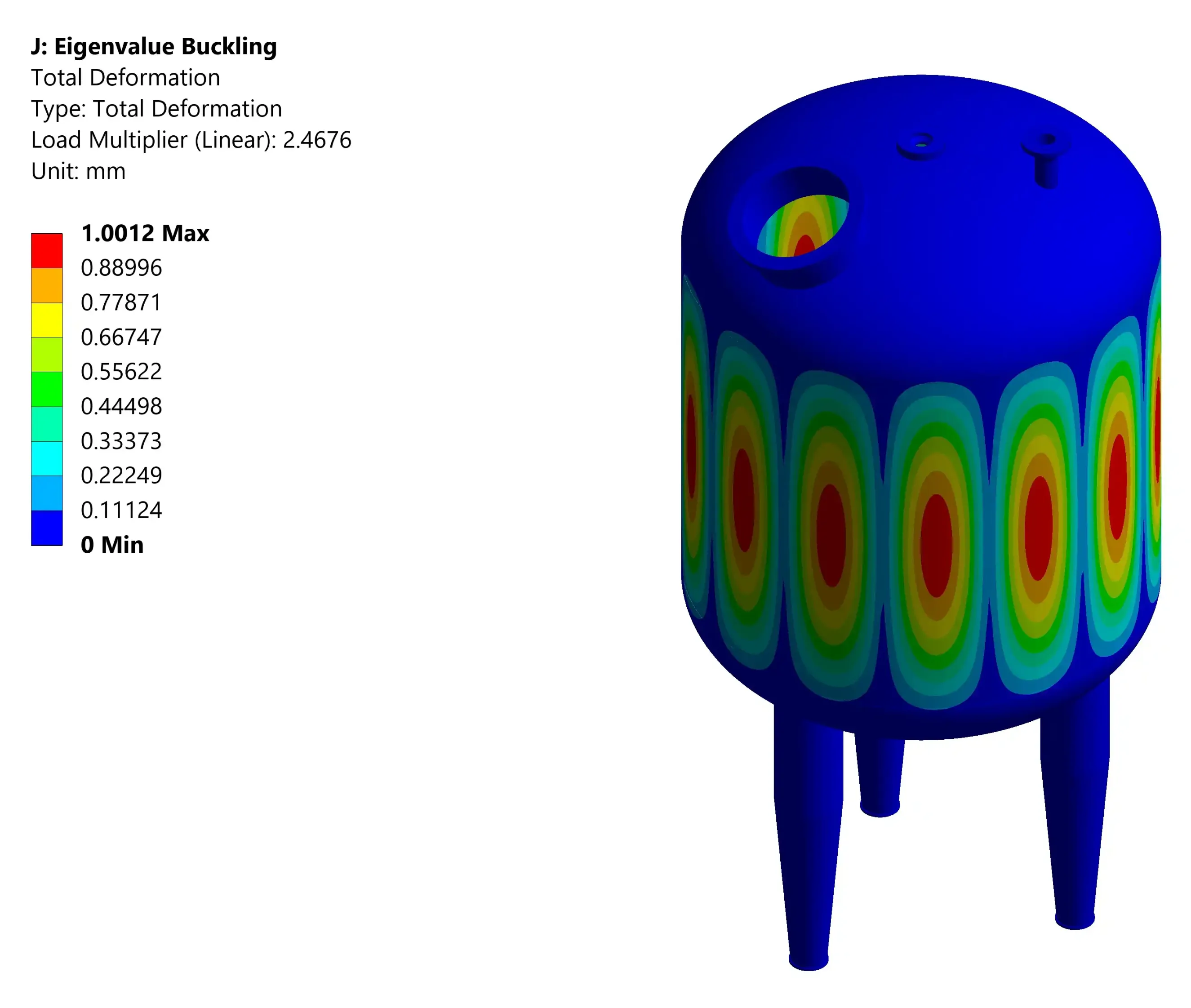
- In high-performance engineering applications, buckling failure is a critical risk that must be addressed early in the design phase. We provide advanced buckling analysis services to help manufacturers understand structural behaviour under compressive loads—before moving into production.
- Our Capabilities Include:
- Linear and non-linear buckling assessments
- Mesh sensitivity studies for accurate results
- Weld and joint behaviour evaluation
- Prediction of buckling failure modes
- Identification of critical load factors and resistance levels
- Using state-of-the-art simulation tools and a deep understanding of material behaviours, our analysts deliver precise insights to enhance design robustness, minimize risks, and ensure compliance with safety standards.
- Our solutions are:
- Accurate - Based on proven methodologies and validated simulations
- Insightful - Helping you make informed design decisions
- Cost-effective - Reducing redesigns and unexpected failures
- Tailored - Customized to your industry and application needs
- Structural fatigue and fracture are among the leading causes of unexpected equipment failure. We specialize in performing in-depth fatigue analysis to detect, evaluate, and mitigate these risks—ensuring the long-term reliability of your systems.
- Comprehensive Fatigue Evaluation
- Backed by extensive project experience and cutting-edge simulation tools, our team conducts detailed assessments across multiple fatigue modes, including:
- Vibrational fatigue
- Weld fatigue
- Structural fatigue
- Spectral fatigue
- High-cycle fatigue
- Custom fatigue scenarios based on service conditions
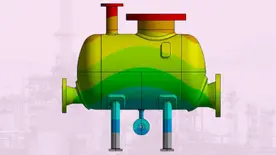
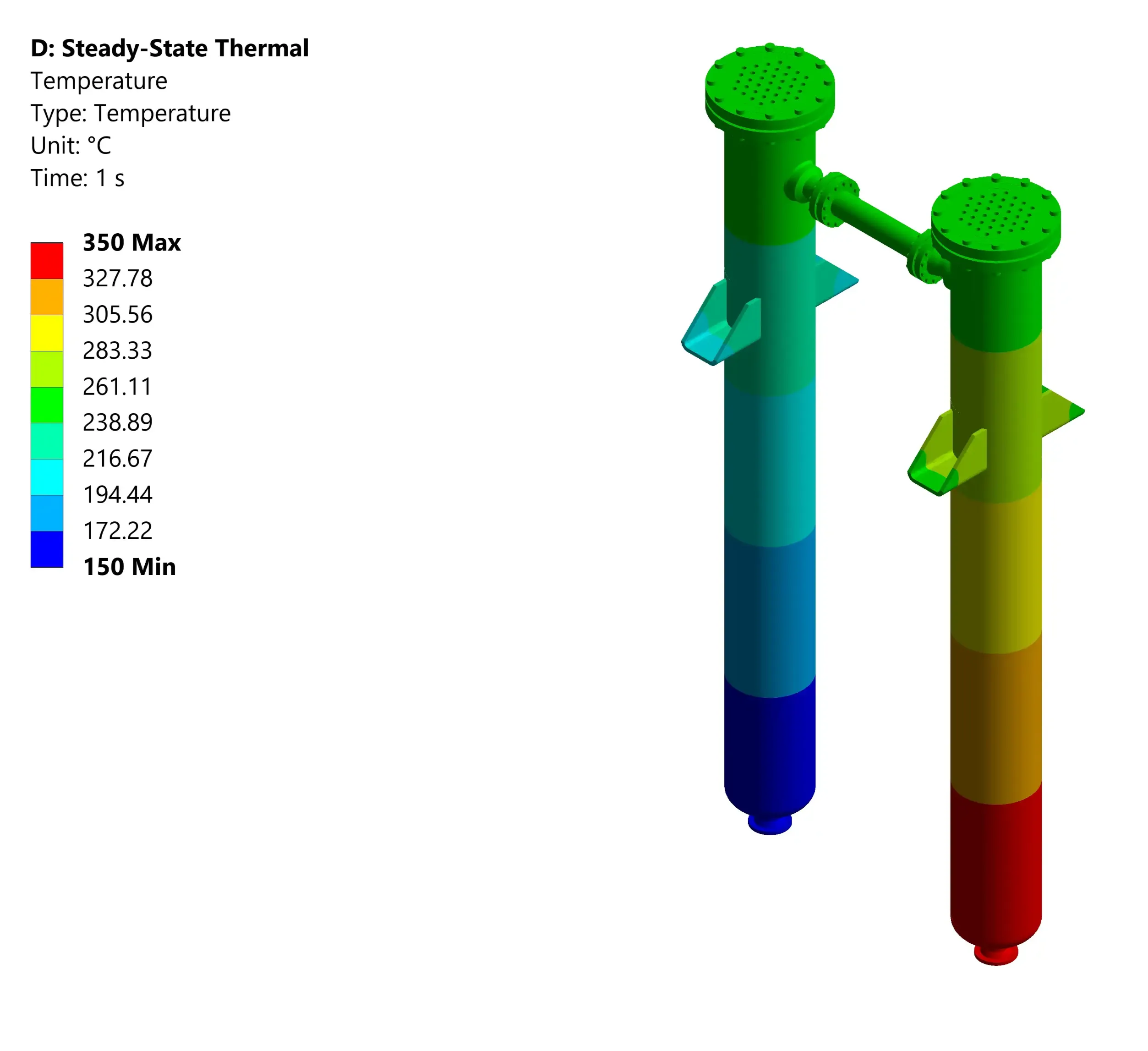
- A deep understanding of thermodynamics and heat transfer, backed by hands-on project experience, positions us as a trusted partner for thermal analysis solutions. Our experts utilize advanced tools and simulation software to evaluate how materials and systems respond to temperature variations.
- Our comprehensive thermal analysis services include:
- Types of Thermal Analysis:
- Heat Transfer Analysis
- Thermo-Mechanical Analysis
- Conduction Analysis
- These studies enable clients to optimize design, ensure operational safety, and extend the service life of critical components across industries.
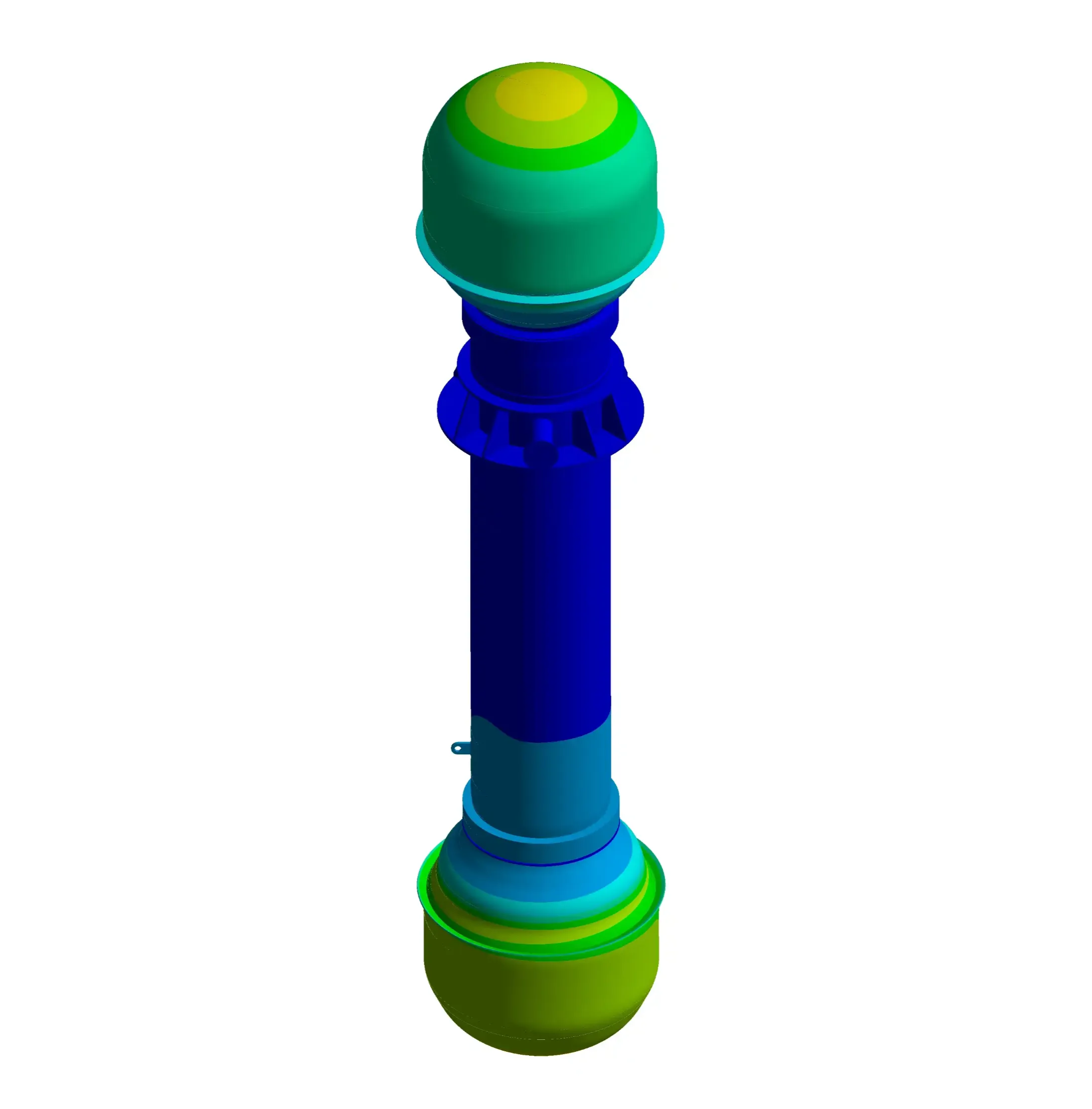
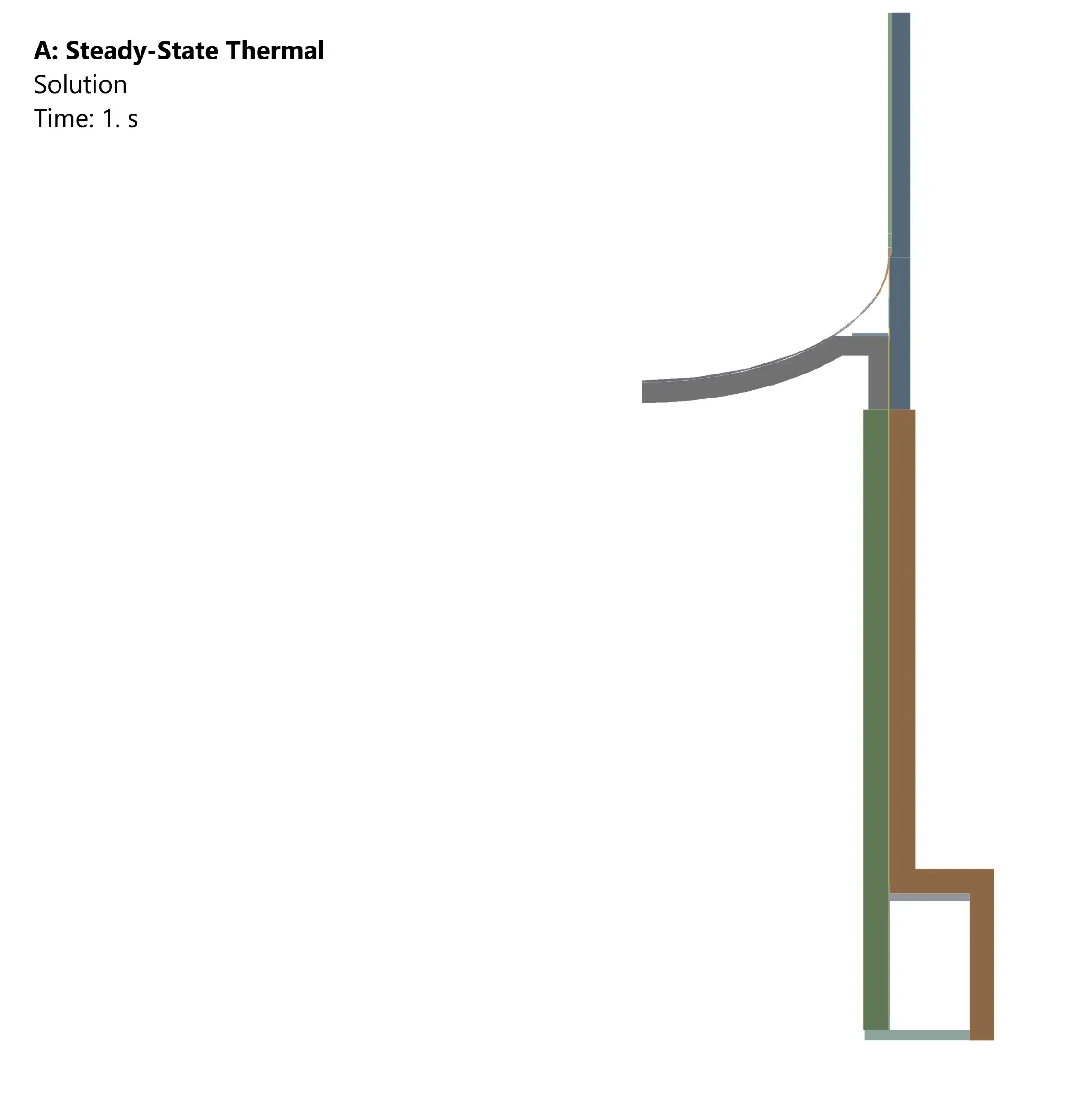
- Hot box enclosures are essential in high-temperature vertical columns and pressure vessels to mitigate thermal stresses between the hot shell and the cooler skirt support. Proper design ensures safe structural transitions, reduces material fatigue, and prolongs service life in thermally demanding environments. At Express Engineering Solutions, we engineer hot box systems backed by thermal simulations and in compliance with industry standards and real-world field data.
- Our designs consider:
- Multi-layer insulation and stainless-steel cladding
- Efficient heat retention to keep skirt and junction within code-acceptable temperature limits
- Drain ports and removable panels for moisture removal and easy maintenance
- Wind and radiation effects if installed outdoors
- Optimal geometry for full thermal transition coverage
- These studies enable clients to optimize design, ensure operational safety, and extend the service life of critical components across industries.
TRAINING